QINGSHI BIO
Qingshi Biological

Focusing on professional tools and solutions
for traumatic wound repair

Integrated R&D & Precision Manufacturing for Advanced Wound Care —
exclusively serving global B2B distributors and healthcare partners.

NMPA Class II Registered ISO 13485 Global OEM/ODM

Request for Quote

Rooted in Expertise,
Not Expansion

Chongqing Qingshi Biotechnology Co., Ltd. is a China-based high-tech medical device manufacturer exclusively focused on wound care. We provide a complete product portfolio from negative-pressure drainage (VSD) to wound repair dressings and post-operative eye protection — forming a fully integrated wound care solution matrix.

🧪

Integrated R&D & Manufacturing Platform

Unlike simple OEM/contract manufacturers, Qingshi Bio is a technology-driven R&D enterprise. Located in Hechuan District, Chongqing, we have established long-term technical partnerships with leading universities and renowned Class-A tertiary hospitals both domestically and internationally. This collaboration has enabled us to build a closed-loop platform spanning R&D, production, and commercialization — with proprietary technology at its core.

📋

NMPA Class II Medical Device Registration

All our core products hold NMPA Class II medical device registration certificates (Yu Xie Zhu Zhum), ensuring full compliance with regulatory standards for safety, efficacy, and traceability. Our quality management system is advancing toward ISO13485 certification.

🎯

Focused Product Matrix — One Direction, Professional Depth

Our entire product line revolves around a single core mission: wound care. From drainage treatment → wound repair dressings → post-operative care, we deliver end-to-end solutions across the complete wound management continuum.

NMPA
Class II
Registered
30+
Export Markets
OEM/
ODM
Ready

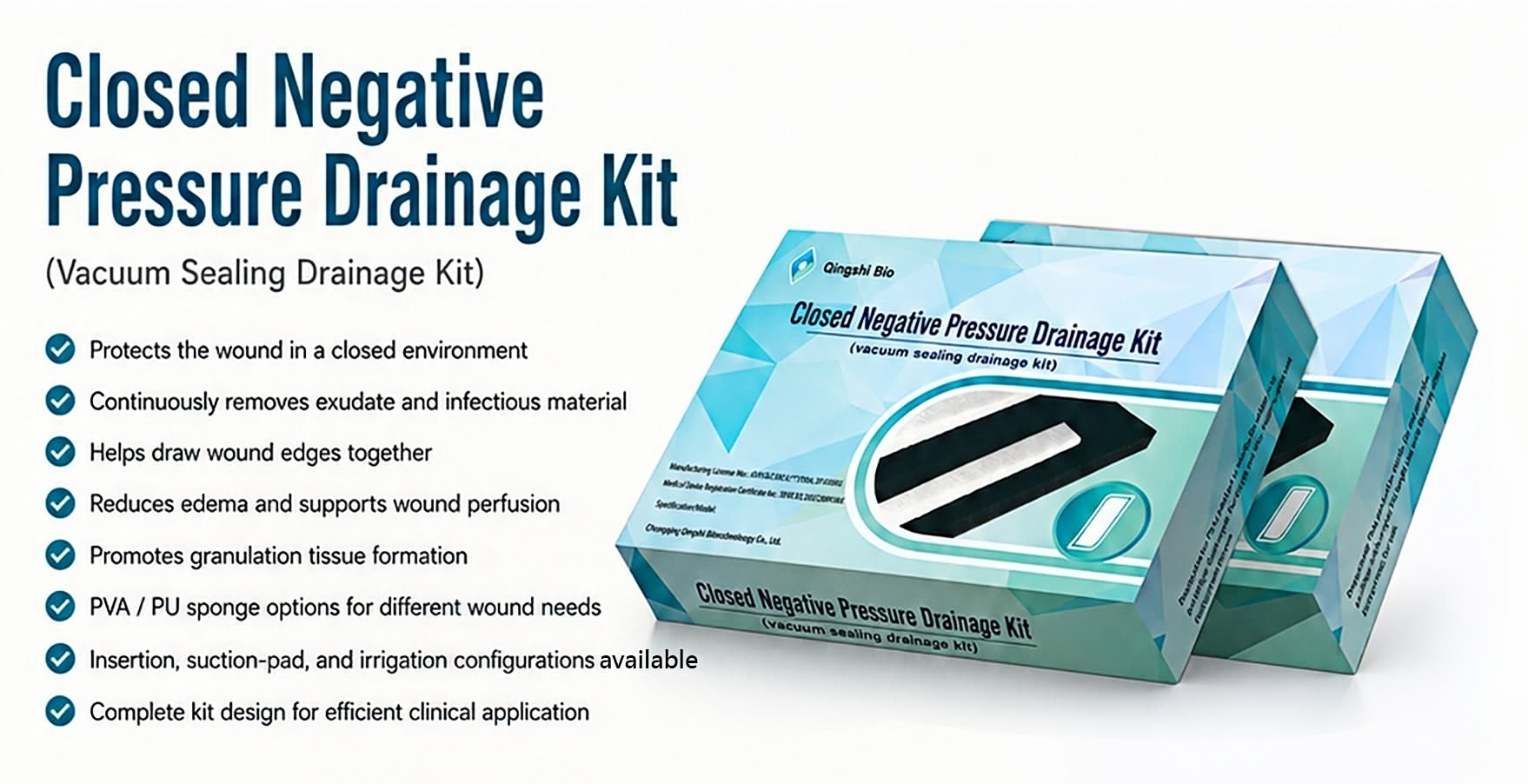
VSD (Vacuum Sealing Drainage) Closed Negative Pressure Drainage Kit

Vacuum Sealing Drainage (VSD) applies controlled negative pressure to create a sealed wound environment — efficiently draining exudate, controlling infection, accelerating granulation tissue growth, and significantly shortening healing time. Qingshi Bio's VSD platform delivers a complete, sterile, clinically-ready medical device solution.

Design Principles

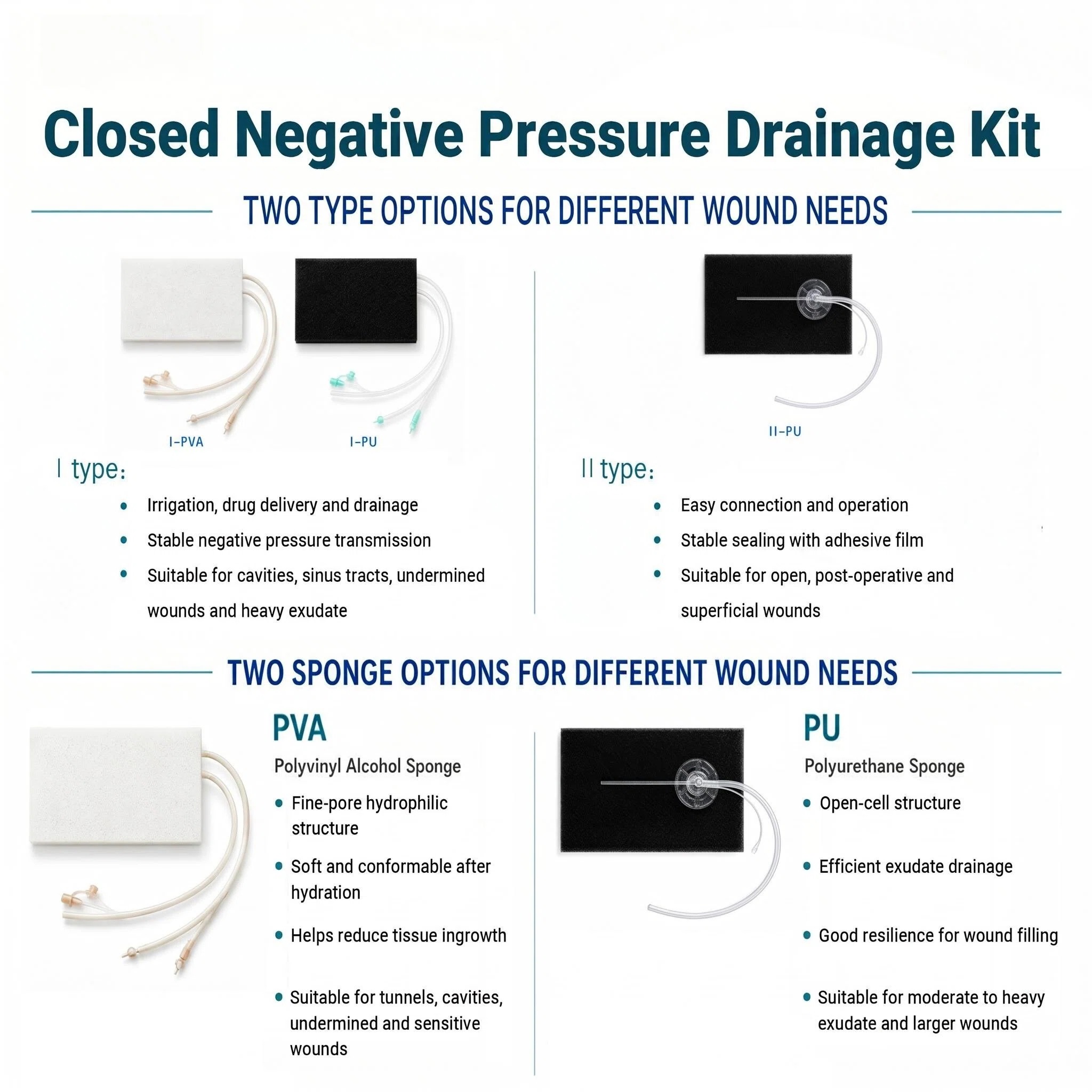
PVA Foam — Hydrophilic Material

✓ Soft texture, pore size 0.2–1 mm ✓ Maintains pore structure under negative pressure ✓ Three-dimensional interconnected microstructure ✓ Excellent fluid passage through foam ✓ Good resistance to blockage and adhesion ✓ Excellent biocompatibility

PU Foam — Hydrophobic Material

  • ✓ Open-cell structure, pore size 400–600 μm
  • ✓ Compresses to <50% volume under negative pressure
  • ✓ Draws wound edges together effectively
  • ✓ Does not harden after fluid extraction
  • ✓ Generates macrostrain & microstrain on wound
  • ✓ Stimulates rapid granulation tissue growth

Flow Rate ≥8 L/min — Efficient exudate removal from high-output wound beds

Pressure Accuracy ±10 mmHg — Stable and reliable negative pressure delivery
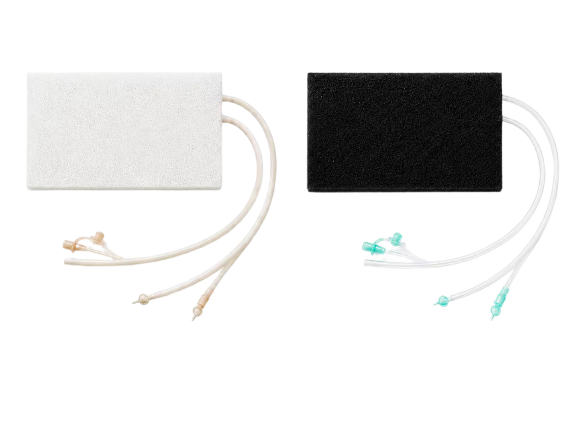
Dual-Material Sponge: PVA (white) or PU (black) for different wound types
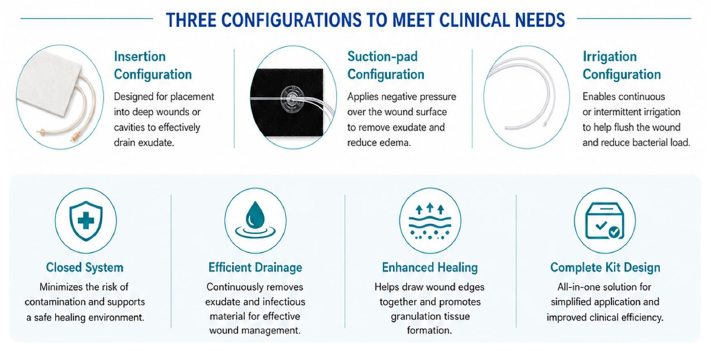
Type I / Type II single-tube and dual-tube configurations
Sizes: 10×6, 15×5, 15×10, 20×15 cm — covering most wound geometries
Complete Closed Drainage System — No additional components required
OEM/ODM Customization: Configurable specs and custom sizes available

⚠ Contraindications

Active bleeding · Coagulopathy · Untreated osteomyelitis · Malignant tumor in wound bed

Clinical Notes

Anti-infective combo · Monitor protein/electrolytes · −125 mmHg continuous · Replace 48–72h

Request Quotation →

Clinical Indications — 10 Major Applications

1. Diabetic Foot Ulcers

VSD negative pressure promotes granulation tissue growth, effectively managing exudate and infection in diabetic foot ulcers — a critical solution for wounds that fail to heal under conventional therapy.

2. Pressure Injury (Bedsore)

Continuous negative pressure draws wound edges together, controls bioburden, and creates a moist healing environment — significantly accelerating recovery in deep pressure injuries across all stages.

3. Venous Leg Ulcers

VSD effectively manages chronic venous insufficiency-related ulcers by reducing edema, promoting circulation, and accelerating granulation tissue formation in long-standing wounds.

4. Acute Traumatic Wounds

For acute traumatic wounds requiring fast closure, VSD provides immediate negative pressure stabilization, reduces edema rapidly, and promotes quick tissue approximation — ideal for post-traumatic wound management.

5. Chronic Traumatic Wounds

For chronic traumatic wounds with prolonged healing cycles, VSD reduces edema, promotes perfusion, and stimulates proliferation — cutting healing time by up to 50% versus conventional dressing methods.

6. Burn Wounds

VSD provides effective exudate management for burn wounds, reduces infection risk, and promotes rapid granulation tissue formation — essential for second-degree and deep burn wound care.

7. Post-operative Wounds

VSD prevents surgical site infections (SSI), controls post-surgical fluid accumulation, and reduces adhesion formation risk in abdominal and thoracic procedures — accelerating post-operative recovery.

8. Surgical Site Infections

VSD effectively manages infected surgical wounds by continuous drainage of infected exudate, controlling bioburden, and promoting healthy granulation tissue formation for delayed primary closure.

9. Plastic Surgery & Dermatology

VSD is ideal for skin graft donor sites, flap procedures, and cosmetic surgery wound management — ensuring optimal aesthetic outcomes with minimal scarring and rapid healing.

10. Military & Emergency Trauma

VSD provides rapid wound stabilization for combat injuries, emergency trauma, and mass casualty scenarios — enabling field-deployable negative pressure therapy for critical wound management.

Key Warnings: Maintain continuous negative pressure for effective drainage — interruptions reduce therapeutic efficacy · Combine with anti-infective therapy (including anaerobic coverage) · Monitor protein/electrolyte loss in high-output wounds · Do not use on actively bleeding wounds or patients with severe coagulation disorders · Replace dressing when foam becomes hard, blocked, or saturated — do not exceed 72 hours

01Step 1 — Wound Preparation

Assess — Evaluate wound location, size, depth, and condition. Identify exposed bone, tendons, or vital structures.

Debride — Remove all necrotic tissue (black/brown), devitalized slough, fibrin deposits, and pus using surgical forceps, scissors, or a curette.

Irrigate — Flush the entire wound cavity with 500–1000 mL of normal saline using a syringe until effluent runs clear.

Haemostasis — Control active bleeding with pressure, electrocautery, or haemostatic agents as required.

Measure — Record wound length, width, and depth to select the correct VSD foam size.

02Step 2 — Foam Preparation & Fitting

Select — Choose the appropriate VSD foam type: black polyurethane (PU) open-pore foam or white polyvinyl alcohol (PVA) foam, based on wound depth and exudate level.

Cut — Trim the foam to the exact wound shape using sterile scissors. Cut foam 1–2 cm larger than the wound margin to ensure full surface contact.

Pack — Fill every sinus, tunnel, and cavity completely. Zero dead space — no gaps or voids should remain anywhere in the wound bed.

Channel — Cut a side channel into the foam and embed the drainage tube 3–5 cm into the foam body to ensure even negative pressure distribution.

Protect — Apply a hydrocolloid or petroleum jelly strip around peri-wound skin to prevent direct foam contact with healthy tissue.

03Step 3 — Film Sealing

Protect Peri-Wound Skin — Apply a hydrocolloid dressing strip or petroleum jelly around the wound edge (3–5 cm margin) to prevent maceration from prolonged moisture exposure.

Drape Film — Cover the foam dressing and prepared skin margin with the transparent semi-permeable film. Work from centre outward, smoothing out all wrinkles to ensure full contact.

Seal Every Edge — Overlay film edges by at least 3–5 cm onto intact surrounding skin. Use additional film strips to reinforce all seams, overlaps, and tube exit sites.

Test for Leaks — Once negative pressure is applied, listen and feel around all margins for escaping air. Patch any whistling points immediately with an extra film patch.

Tube Exit Site — Create a small reinforced exit point 2–3 cm from wound edge, sealed with multiple film layers.

04Step 4 — Connect & Activate Negative Pressure

Connect — Attach the drainage tube securely to the VSD negative pressure device. Confirm all connections are tight and tube is free of kinks.

Set Pressure — Adjust to -125 to -450 mmHg, continuous or intermittent mode per clinician's order. For fresh post-operative wounds, start at -125 mmHg and increase gradually.

Observe Collapse — The foam should visibly collapse evenly and draw tightly against the wound bed. A visible reduction in foam volume confirms an effective sealed system.

Record Baseline — Document initial pressure setting, foam collapse status, drainage volume, and colour in the patient's clinical record.

Patient Briefing — Advise patient on precautions: avoid pulling the tube, report any unusual sounds, pain, or a sensation of wetness immediately.

05Step 5 — Monitor, Maintain & Dressing Change

Frequent Checks — Inspect every 2–4 hours: confirm pump is running, pressure is within set range, no alarms are active, and no air is escaping from the seal.

Monitor Drainage — Observe the collection canister: record volume, colour, and consistency (serous = normal; bloody = caution; purulent = infection). Alert clinician if drainage exceeds 500 mL/24h or suddenly increases.

Prevent Blockage — Never clamp the drainage tube. Keep tube free of kinks, twists, and dependent loops. If blockage is suspected, flush per protocol or notify the physician.

Dressing Change — Replace every 48–72 hours: turn off pump, carefully remove the film, inspect wound progress (granulation tissue, size reduction), gently re-debride if needed, and reapply fresh foam and film. For infected wounds, change every 24–48 hours.

Wean Off — Once wound has healthy granulation tissue coverage and dimensions are significantly reduced, transition to conventional dressing or reduce pressure per clinical decision.

💡 Click on any image to enlarge

Product Gallery

VSD Component 1
VSD Component 2
VSD Component 3
VSD Component 4
VSD Component 5
VSD Component 6
VSD Application 1
VSD Application 2
VSD Application 3
VSD Application 4
VSD Application 5
NMPA Reg: CQ Med Dev No.20192140059

Bio-Active Hydrogel Functional Dressing

  • Moisture retention ≥90% — maintains optimal moist wound environment 24 hours a day
  • pH 7.2 neutral formula — scientifically proven to promote fibroblast proliferation and epithelialization
  • Painless dressing changes — non-adherent wound interface eliminates mechanical damage during removal
  • Pain reduction ≥90% vs traditional gauze during dressing changes (VAS scale clinical data)
  • Sterile individual packaging — 1g, 1.7g, 2g configurations
  • Promotes faster wound closure — clinical studies show mean 2.4 days earlier complete epithelialization
  • Transparent matrix enables wound inspection without dressing removal

For: Ulcers · Burns · Donor sites · Pressure injuries (Stage I–II) · Post-dermatological procedure wounds

Request for Quote
NMPA Reg: CQ Med Dev No.20182140089

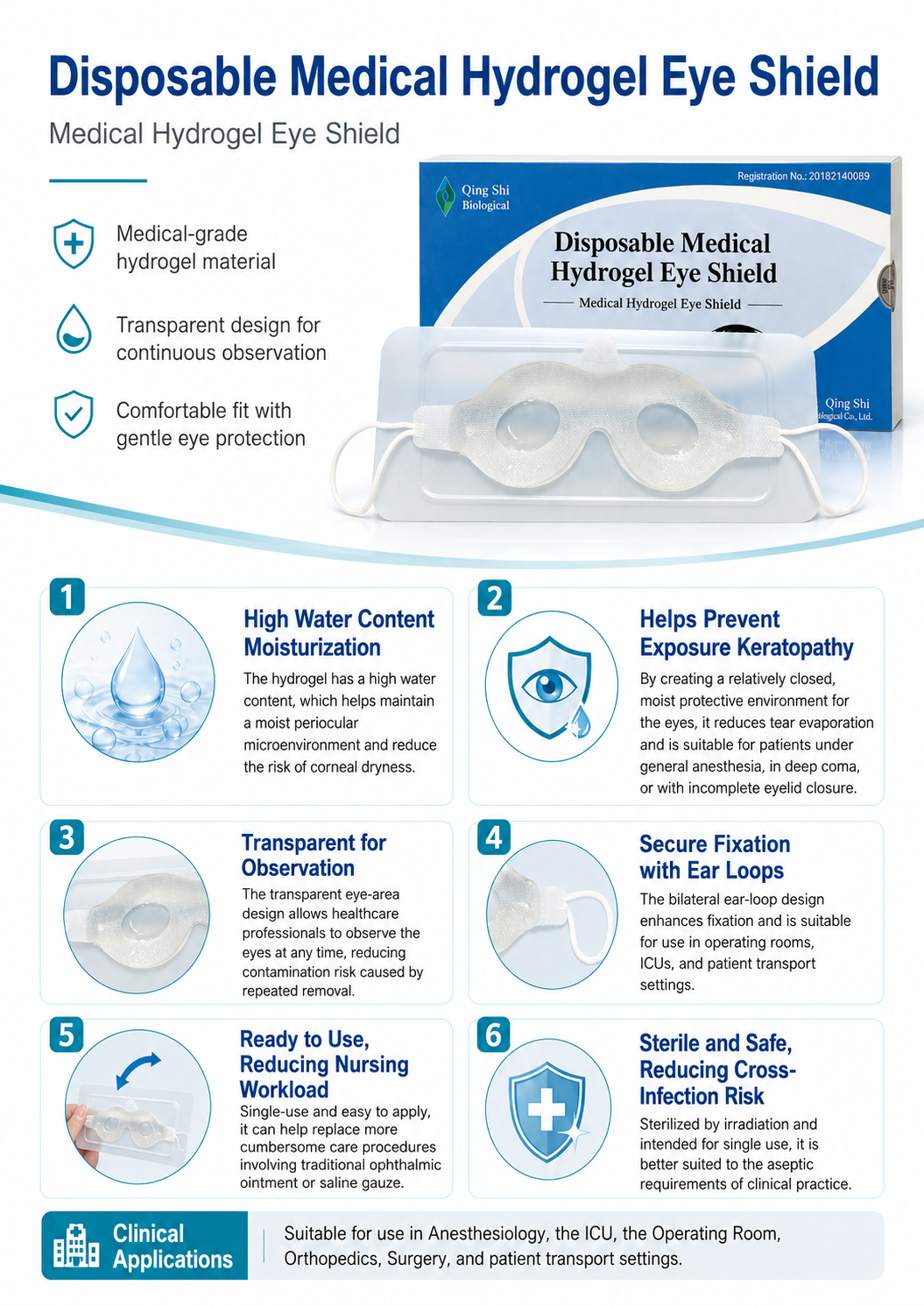
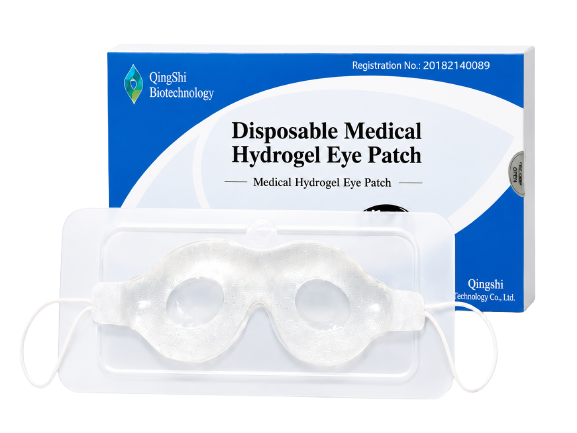
Disposable Medical Hydrogel Eye Patch

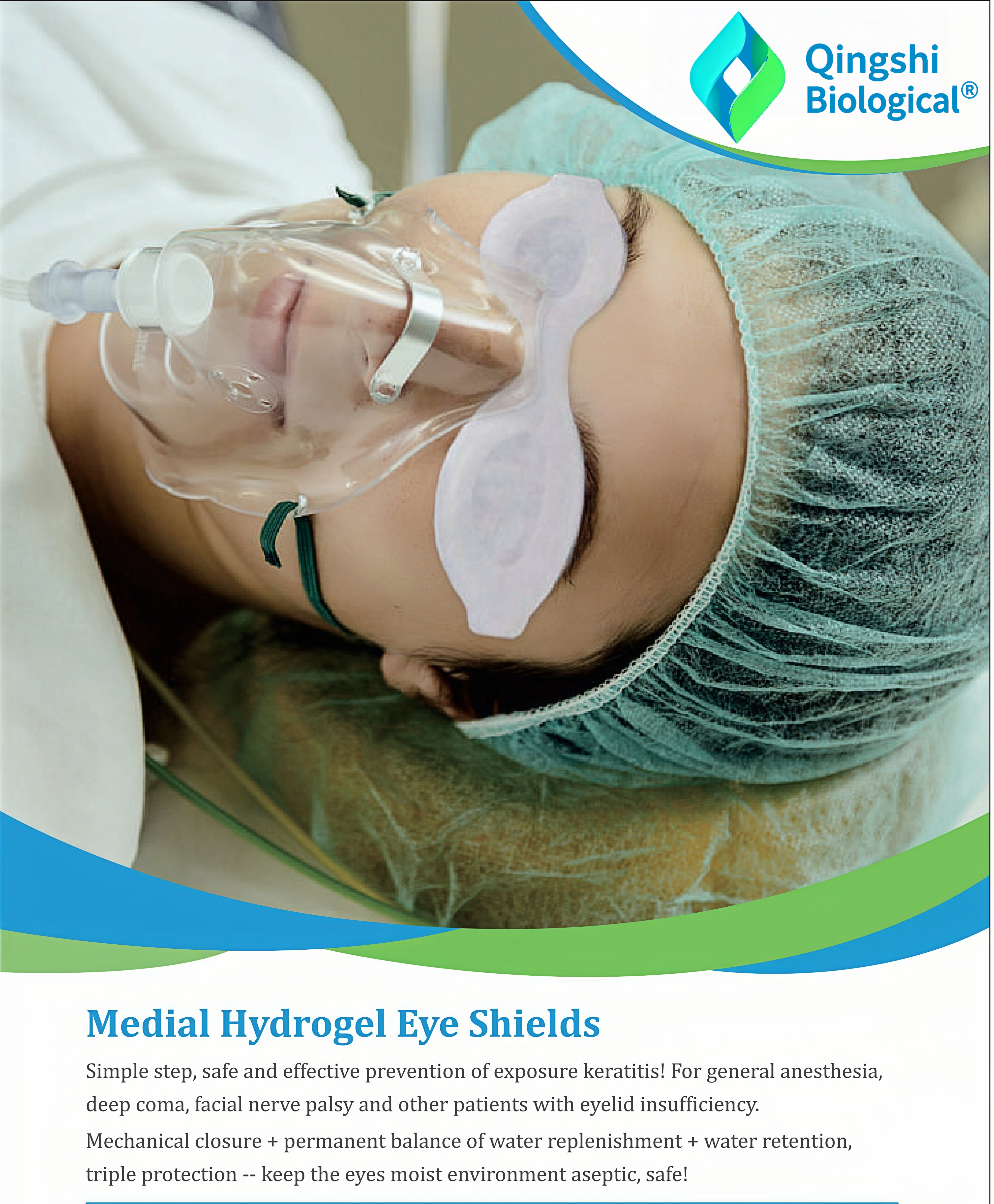
  • 24-hour corneal moisture retention — prevents exposure keratopathy in sedated patients
  • Intraoperative corneal protection — complete sealed barrier without pressure on the globe
  • Sterile individual packaging — eliminates cross-contamination risk between patients
  • Dimensions: 158mm × 58mm — full orbital coverage for adult patients
  • Clinical data: 0% corneal epithelial breakdown at 24h vs 11.7% in untreated control group
  • Hypoallergenic medical-grade acrylic adhesive — painless removal without skin irritation
  • Up to 72-hour continuous wear capability — reduced nursing intervention frequency

For: General anesthesia surgery · ICU long-term bedridden patients · Sedated emergency patients · Post-ophthalmic procedures

Request for Quote

Eight Clinical Scenarios, One Integrated Platform

🩹
Chronic Wound Care
Persistently stalled wound closure — diabetic foot ulcers, pressure injuries, and venous leg ulcers. VSD + hydrogel therapy addresses both bioburden control and moisture deficit simultaneously.
Diabetic Foot Ulcer Pressure Injury Venous Leg Ulcer
Acute Trauma Repair
Traumatic lacerations, burns, and post-surgical dehisced incisions require rapid granulation stimulation. NPWT system provides continuous sub-atmospheric pressure across irregular wound geometries.
Trauma Burn Wound Surgical Dehiscence
🛡️
Post-Operative Protection
Pre- and post-operative wound management to prevent SSI (Surgical Site Infection), control post-surgical fluid accumulation, and reduce adhesion formation risk in abdominal and thoracic procedures.
SSI Prevention Incision Care Anti-Adhesion
👁️
Ophthalmic Intraoperative Care
Long-term sedation patients lose blink reflex — creating high corneal exposure risk. Hydrogel Eye Patch provides 24-hour sealed moisture hydration. Essential for all sedated and immobile patients.
General Anesthesia ICU Sedation Corneal Protection
💉
Plastic Surgery & Dermatology
Skin graft donor sites, flap procedures, and cosmetic surgery wound management — ensuring optimal aesthetic outcomes with minimal scarring and rapid healing.
Skin Graft Flap Procedure Cosmetic Surgery
🪖
Military & Emergency Trauma
Combat injuries, emergency trauma, and mass casualty scenarios — enabling field-deployable negative pressure therapy for critical wound management in resource-limited settings.
Combat Injury Field Deployment Mass Casualty
🐾
Veterinary Wound Care
VSD and hydrogel dressings are equally effective for veterinary applications — managing post-surgical wounds, traumatic injuries, and chronic wounds in companion and farm animals.
Veterinary Animal Wound Post-Surgical
🏠
Home Care & Remote Treatment
Portable VSD devices enable effective wound management in home care and remote clinical settings — expanding access to advanced wound care beyond hospital environments.
Home Care Remote Clinic Portable VSD

Three Major Business Models

Qingshi Bio provides flexible cooperation models tailored to different market needs — enabling global partners to access high-quality wound care products with full technical and regulatory support.

🤝
Distributor Recruitment
We are actively recruiting distributors worldwide. Benefit from exclusive territorial rights, comprehensive marketing support, and competitive pricing — building long-term partnerships for sustainable growth in the wound care market.
Exclusive Territory Marketing Support Competitive Pricing
🏭
OEM/ODM Customization
Full private-label and custom manufacturing services — from product specification adjustment to packaging design. Leverage our NMPA-certified manufacturing facility to build your own wound care brand with confidence.
Private Label Custom Specs Packaging Design
🏥
Hospital GPO Procurement
Direct hospital and Group Purchasing Organization (GPO) supply — streamlined procurement process with full regulatory documentation support. NMPA Class II registration ensures compliance with hospital procurement requirements.
Direct Supply Regulatory Support NMPA Compliant

R&D Capability — Three-Domain Integration

Qingshi Bio allocates 100% of R&D capacity toward three interdependent domains: biomaterial science, wound microenvironment modulation, and controlled-delivery dressing systems — enabling clinical precision that generalist manufacturers cannot replicate.

01
Biomaterial Science
PVA foam pore architecture optimization (400–600 μm), polyethylene oxide hydrogel crosslink density control, polyurethane film formulation and surface treatment — precision-tuned for therapeutic performance.
02
Wound Microenvironment
pH-buffered hydrogel systems (pH 7.2 ± 0.2), moisture vapor transmission rate (MVTR) optimization, bioactive component incorporation — engineered for cellular proliferation and granulation.
03
Delivery System Engineering
Negative pressure distribution modeling, seal integrity monitoring, patient interface comfort engineering — translating material science into clinically reliable therapeutic systems.

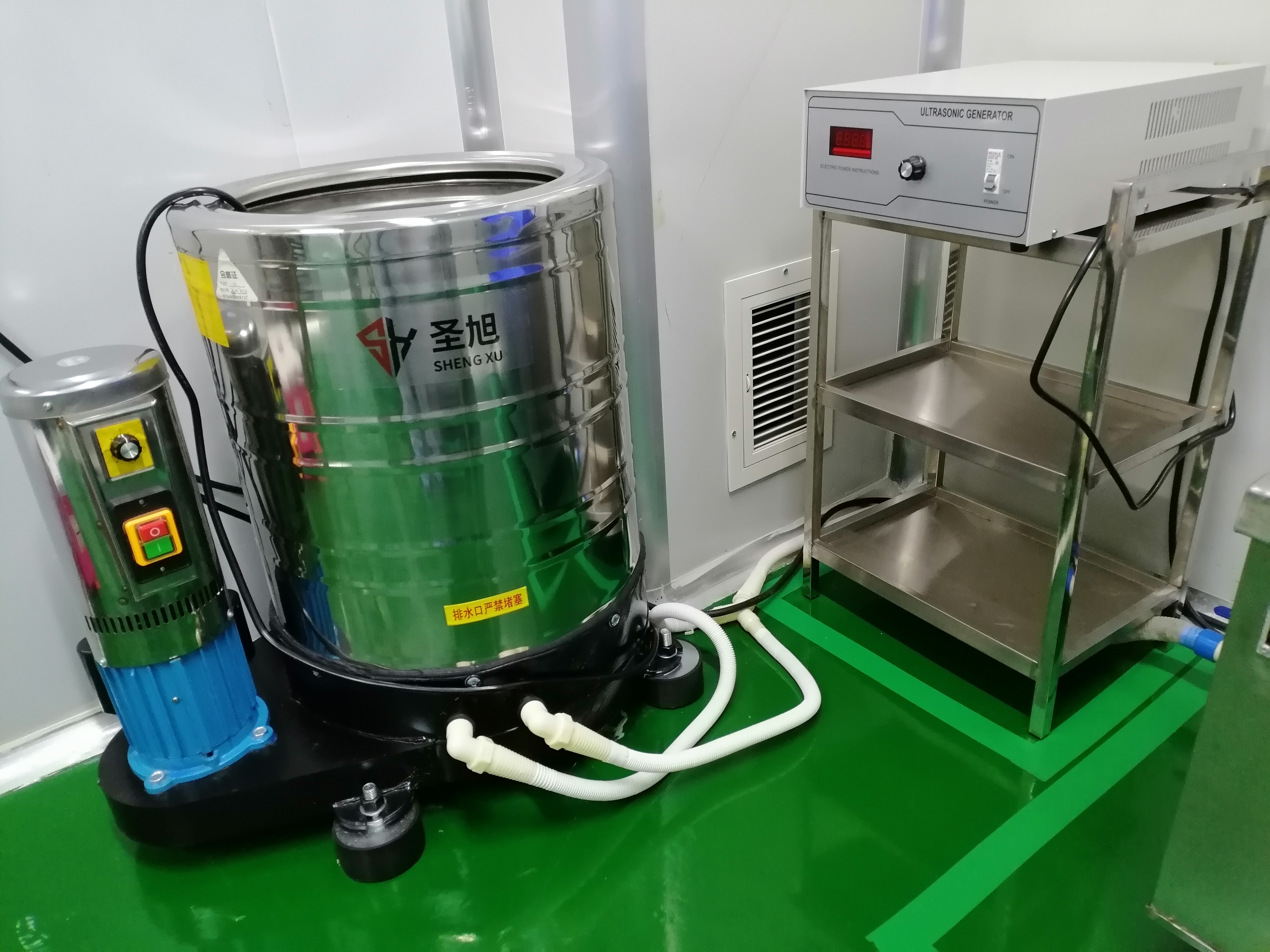
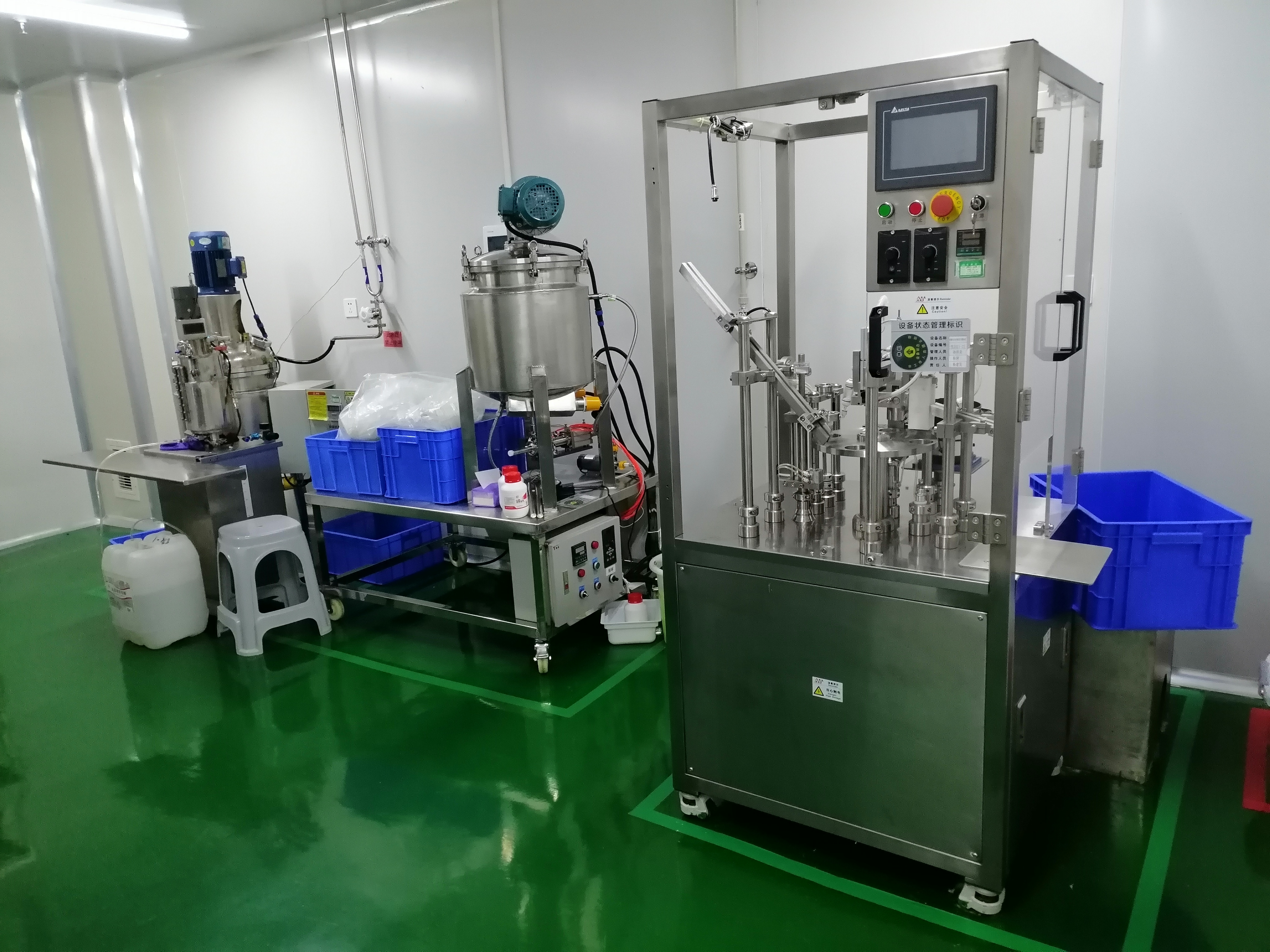
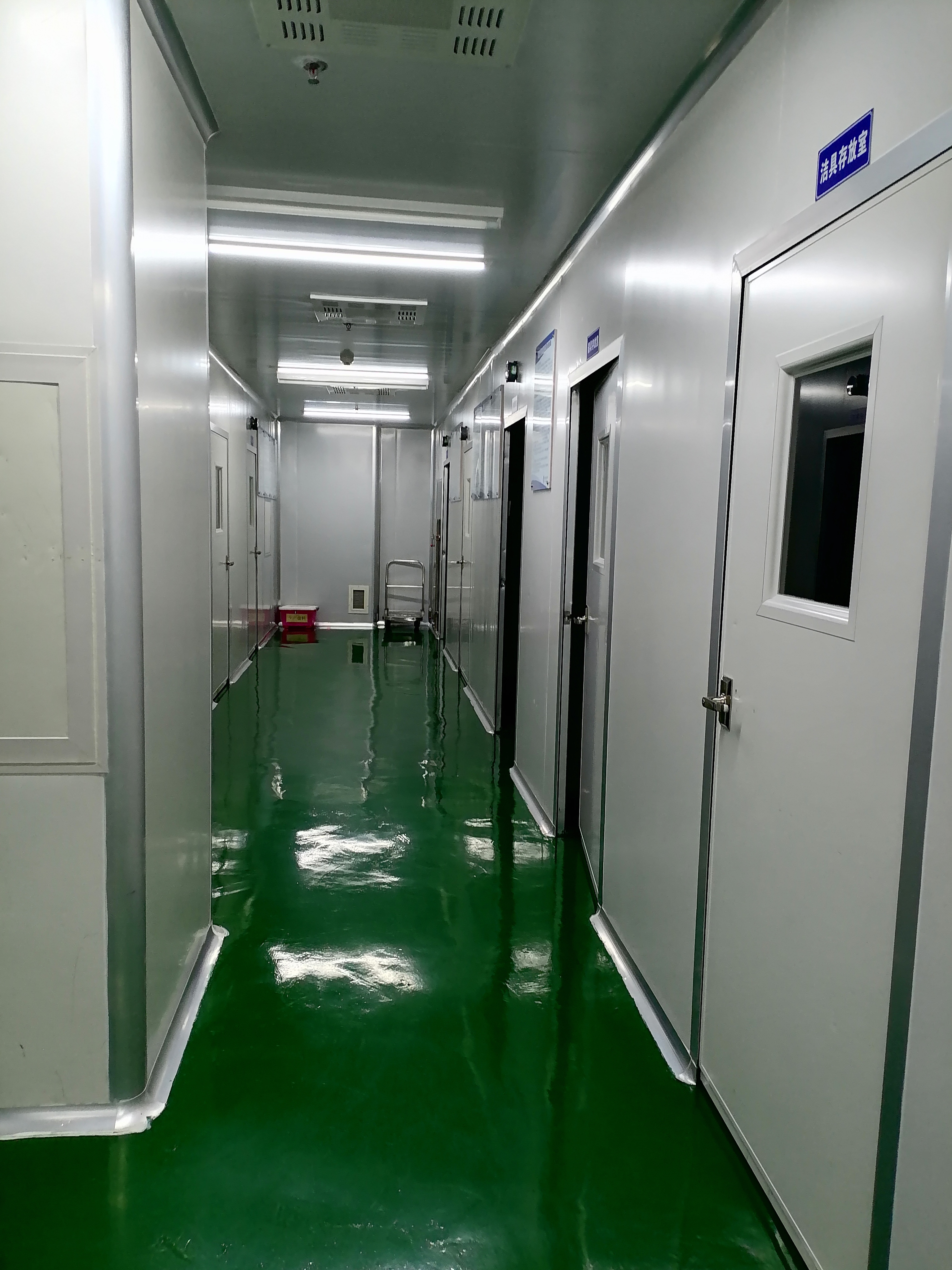
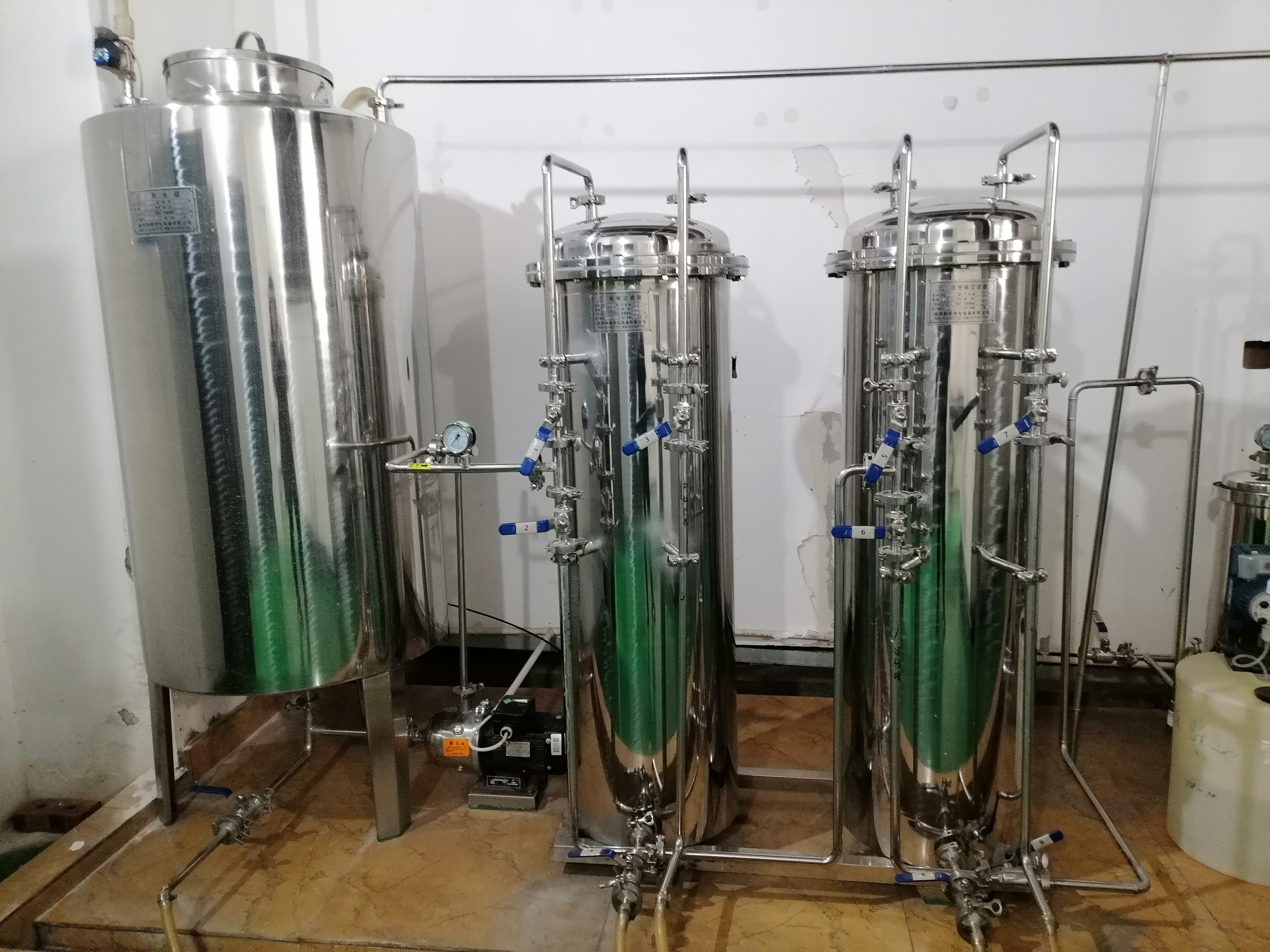
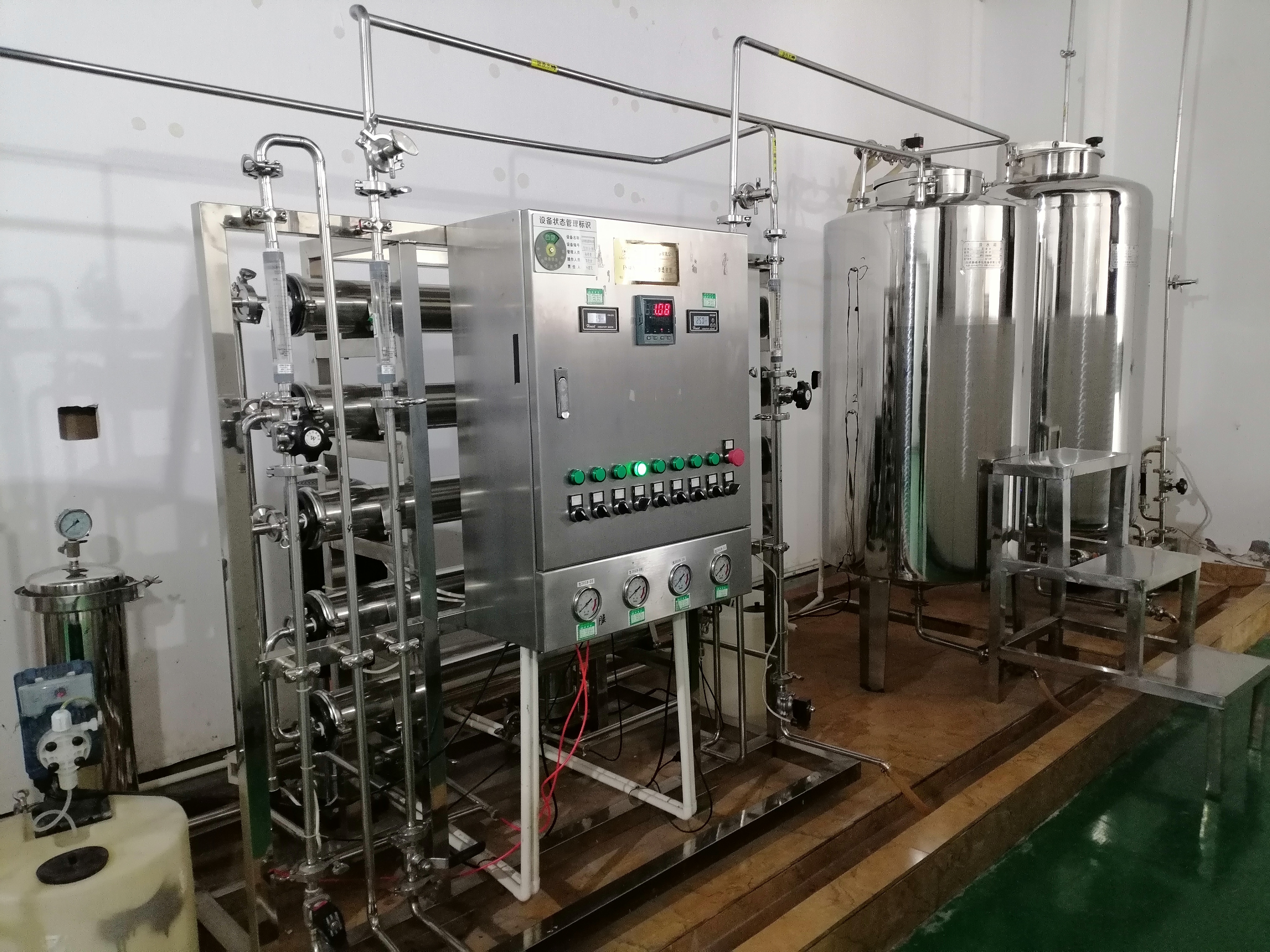
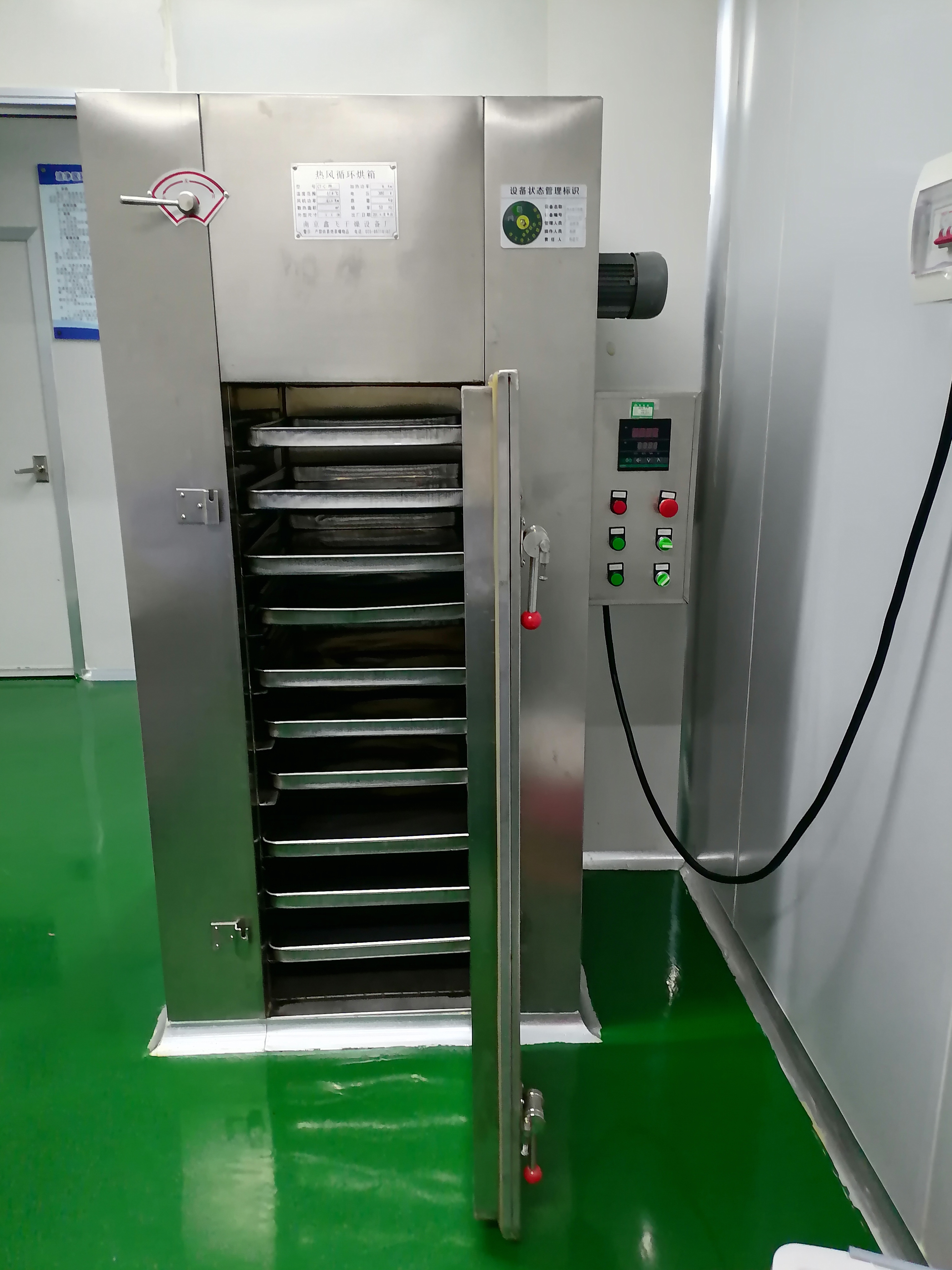
100,000-Class Cleanroom Manufacturing

Fully integrated GMP-scale production facility — material compounding, precision molding, cleanroom assembly, and validated quality testing in a single site. No transfer risk. Lot-to-lot consistency guaranteed.

Factory 1
Factory 2
Factory 3
Factory 4
Factory 5
Factory 6
100,000-Class Cleanroom (ISO Class 7) Automated Production Line 12-Step Quality Control GMP Compliant Full Lot Traceability

Registered. Certified. Audited.

🏛️
NMPA Class II
Reg No.20192140059 · 20182140089
VSD systems · Hydrogel dressings · Eye patches
🔧
ISO 13485:2016
Audit In Progress · ~1–1.5 Months
Design · Manufacture · Distribution
GB 9706.1-2020
Medical Electrical Safety
Pump unit compliance standard
📋
YY 0636.1-2008
Suction Equipment Standard
Component validation reference
📦
Export Certifications
Complete Export Qualifications
Available for all target markets
📄
Technical Dossier
DMF / Technical File Available
For overseas market registration

Serving Partners in 30+ Countries Across 5 Continents

Qingshi Bio serves international markets through direct distributor partnerships, OEM/ODM collaboration, and private-label programs — with multi-language documentation and regulatory registration support.

🇬🇧
English
Middle East · Southeast Asia · Africa
Primary Markets
🇷🇺
Русский
Russia · CIS · Eastern Europe
Russian-Speaking Regions
🇲🇾
Bahasa Melayu
Malaysia · Indonesia · Brunei
Southeast Asia
🇸🇦
العربية
GCC · North Africa · Middle East
MENA Region

B2B Inquiry — Connect with Our Export Team

Jen — International Business Development

💬 WeChat: qingshibio
🌐 www.qingshibio.com
24 Business Hours global B2B procurement response · All time zones supported · Pure B2B — no retail, no pricing displayed on this site